
Contents
Overview
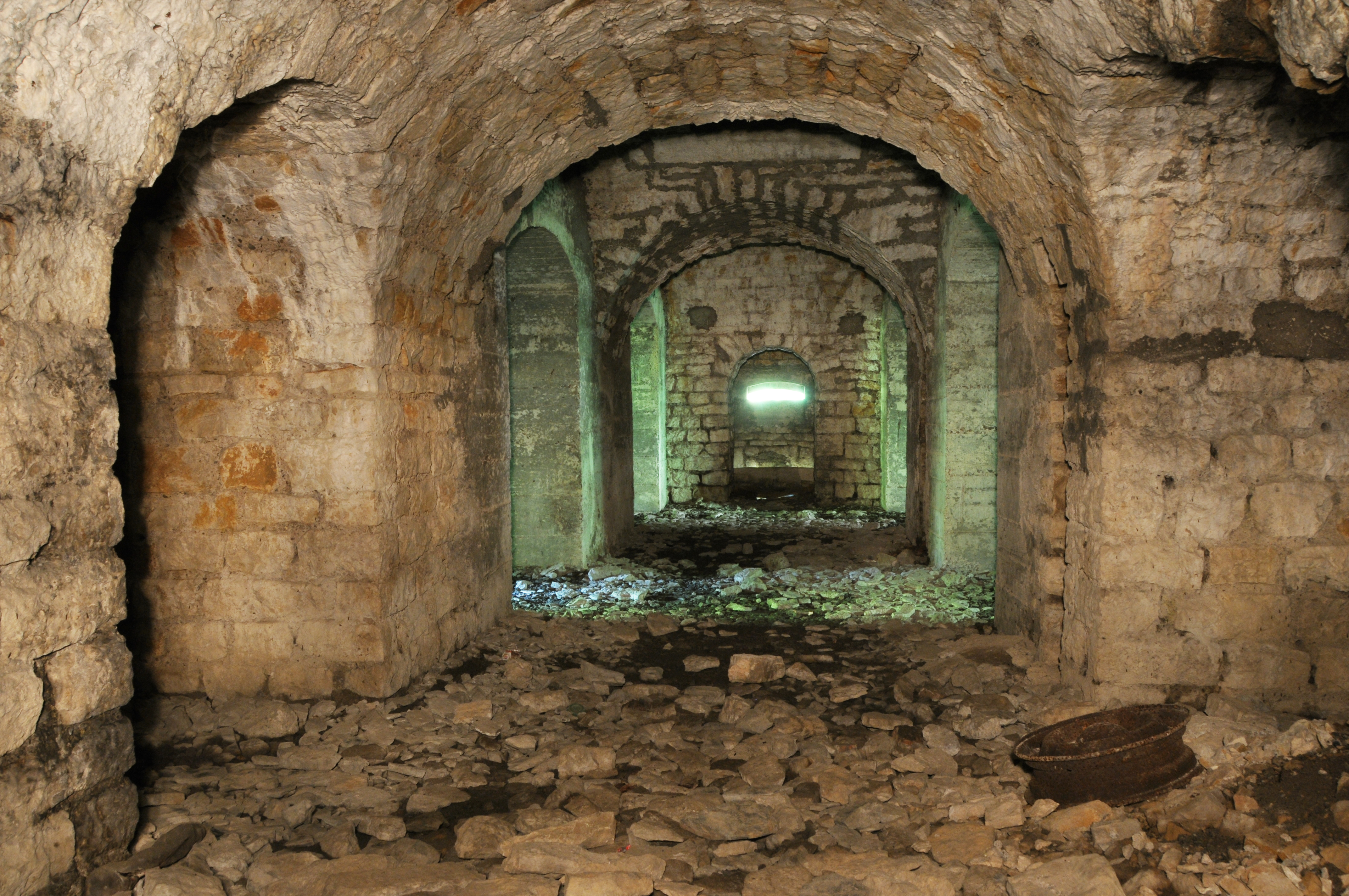
Urban exploration typically involves meticulous planning and execution. Participants, often referred to as 'urbexers,' research potential locations, studying blueprints, historical records, and satellite imagery to identify points of interest and potential access routes. Safety is paramount, with explorers often carrying essential gear such as sturdy footwear, gloves, headlamps, first-aid kits, and sometimes specialized equipment for navigating challenging environments. Access is usually gained through discreet means, avoiding direct confrontation or damage to property, though this often involves trespassing. Once inside, the focus is on observation, photography, and sometimes collecting small, non-valuable artifacts, all while minimizing their impact on the site. The process is a delicate balance between curiosity, caution, and the thrill of the forbidden.
⚙️ How It Works
Urban exploration has profoundly influenced visual culture, particularly in photography and film. The haunting beauty of decay, captured through the lens of urbex photographers, has inspired countless art projects, documentaries, and even commercial advertising campaigns. The aesthetic of 'ruin porn'—the romanticization of urban decay—is a direct byproduct of this movement. The rise of social media has democratized sharing but also led to increased 'over-tourism' at popular sites, prompting some explorers to advocate for greater discretion and preservation. Many previously accessible locations are now secured or demolished due to safety concerns or redevelopment initiatives. New generations of explorers are discovering and documenting previously unknown sites, utilizing advanced mapping tools and drone technology. The debate over responsible exploration versus outright preservation is more heated than ever, with some sites becoming tourist attractions while others are fiercely guarded by their discoverers.
📊 Key Facts & Numbers
The practice of urban exploration is fraught with controversy. The most significant debate centers on legality and ethics, particularly regarding trespassing on private property. Critics argue that urbexers can cause damage, attract further vandalism, and pose safety risks to themselves and others. The 'leave no trace' principle is a core tenet for many, but not universally followed. The potential for urbex to inadvertently reveal sensitive infrastructure raises security concerns. Increased surveillance, stricter property laws, and a growing emphasis on historical preservation may also lead to more restricted access.
👥 Key People & Organizations
The future of urban exploration is likely to be shaped by technological advancements and increasing societal awareness of urban decay. Drones equipped with high-resolution cameras and LiDAR scanners will enable explorers to document sites remotely and with greater detail, potentially reducing physical risk and the need for direct entry. As cities continue to evolve, with constant cycles of construction and demolition, new 'frontiers' for exploration will emerge. However, increased surveillance, stricter property laws, and a growing emphasis on historical preservation may also lead to more restricted access. The tension between the desire to explore and the need to protect will continue to define the trajectory of this subculture, potentially leading to more formalized, permission-based 'dark tourism' experiences.
🌍 Cultural Impact & Influence
While primarily a hobby, urban exploration has several practical applications and influences. Photographers and artists draw inspiration and subject matter from abandoned sites, contributing to the visual arts. Historians and preservationists sometimes use documented findings from urbexers to piece together the history of forgotten structures or to advocate for their preservation. In some instances, urban exploration has led to the discovery of significant historical artifacts or previously unknown architectural features. Furthermore, the skills honed in urban exploration—risk assessment, navigation, problem-solving under pressure—can be transferable to fields like emergency response, disaster preparedness, and even certain types of investigative journalism or documentary filmmaking.
⚡ Current State & Latest Developments
Urban exploration intersects with several other fascinating domains. The practice shares a deep connection with industrial archaeology, focusing on the remnants of manufacturing and technological progress. It also overlaps with geocaching and letterboxing in its spirit of discovery and treasure hunting, albeit with higher stakes. The aesthetic and thematic elements of urbex are strongly linked to dark tourism, where visitors seek out sites associated with tragedy or historical significance. For those interested in the legal aspects, understanding trespassing laws and property rights is crucial. Finally, the philosophical underpinnings of appreciating decay and impermanence resonate with concepts in wabi-sabi and memento mori.
Key Facts
- Category
- culture
- Type
- movement