
Contents
- 🌱 What is Vertical Gardening?
- 🌍 Who is Vertical Gardening For?
- 📈 The Rise of the Green Wall
- 💡 How Does it Actually Work?
- 💰 Costs & Considerations
- ⚖️ Benefits vs. Challenges
- 🌿 Types of Vertical Gardens
- ⭐ Vibe Score & Cultural Resonance
- 🚀 The Future of Vertical Farming
- 🛠️ Getting Started with Vertical Gardening
- Frequently Asked Questions
- Related Topics
Overview
Vertical gardening is the practice of growing plants in vertically stacked layers, often integrated into structures like buildings, walls, or freestanding units. This method maximizes space, making it ideal for urban environments where horizontal land is scarce. It encompasses a range of techniques, from simple trellises and wall-mounted planters to sophisticated hydroponic and aeroponic systems. Beyond aesthetics, vertical farms offer significant benefits in terms of reduced water usage, localized food production, and improved air quality, though initial setup costs and energy demands for lighting can be considerable. The movement is rapidly evolving, driven by technological advancements and a growing global demand for sustainable food solutions.
🌱 What is Vertical Gardening?
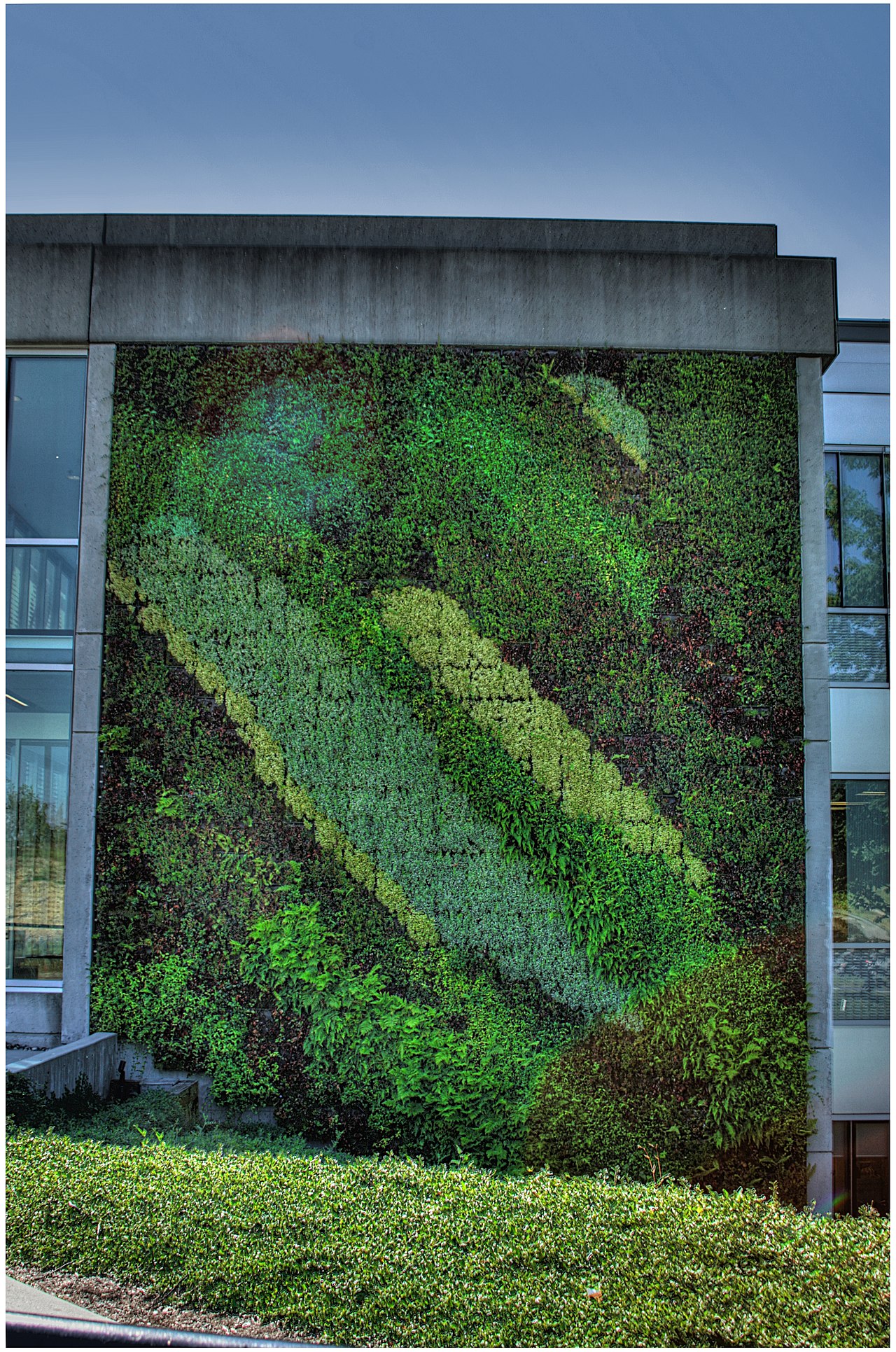
Vertical gardening, often manifesting as living walls or vertical farming systems, is the practice of growing plants in a vertically inclined surface. This isn't just about cramming more plants into a small space; it's a deliberate architectural and horticultural integration. These systems typically involve a structural support, a growth medium (like soil, hydroponic growing media, or felt), and an automated irrigation and nutrient delivery system. The goal is to maximize cultivation in limited horizontal footprints, bringing greenery and food production into urban environments and beyond.
🌍 Who is Vertical Gardening For?
This innovative approach to cultivation is for anyone seeking to maximize their green thumb in constrained spaces. Urban dwellers with balcony gardening or small-space living will find it a game-changer. commercial real estate and architectural design are increasingly incorporating green walls for aesthetic appeal and green building certifications. Furthermore, food security initiatives and sustainable agriculture see it as a vital tool for localized food production, reducing transport emissions and increasing access to fresh produce.
📈 The Rise of the Green Wall
The concept of growing plants on vertical surfaces isn't entirely new, with historical precedents like the Hanging Gardens of Babylon, though their exact form remains debated by archaeology. Modern vertical gardening, however, gained significant traction in the late 20th and early 21st centuries, fueled by advancements in hydroponic technology and a growing awareness of urban environmental issues. Companies like Green Living Technologies International (GLTI) and Sempergreen have been instrumental in popularizing modular green wall systems, transforming sterile building facades into vibrant ecosystems.
💡 How Does it Actually Work?
At its heart, a vertical garden is a carefully engineered ecosystem. Plants are typically rooted in a specialized substrate or directly in water (in hydroponic setups). A irrigation system delivers water and dissolved nutrients directly to the plant roots, often on a timed schedule. For soil-based systems, a lightweight, porous medium is used to provide support and aeration. LED lighting are often employed in indoor or shaded environments to ensure plants receive adequate light for photosynthesis.
💰 Costs & Considerations
The financial outlay for vertical gardening can vary dramatically. DIY pallet garden projects can be incredibly budget-friendly, costing under $50 for materials. Conversely, professionally installed commercial green wall installations can range from $50 to $200 per square foot, not including ongoing maintenance. hydroponic tower systems for home use typically fall between $300 and $1,000. Factor in the cost of plant selection, nutrients, and potentially electricity for lighting and pumps.
⚖️ Benefits vs. Challenges
The benefits are compelling: enhanced indoor air quality, urban biodiversity, stormwater runoff reduction, and significant aesthetic improvements. They can also reduce the urban heat island effect and provide insulation for buildings. However, challenges exist. water conservation needs careful management to avoid waste, and pest management in a dense vertical system requires vigilance. structural load on buildings must be assessed, and initial installation can be labor-intensive.
🌿 Types of Vertical Gardens
Vertical gardens come in many forms. modular green wall panels are popular for facades, offering flexibility and ease of installation. fabric pocket planters are ideal for smaller spaces and DIY enthusiasts. hydroponic towers are highly efficient for food production, stacking multiple planting sites vertically. trellised climbing plants utilize existing structures or dedicated frames, a simpler, more traditional approach. Each type offers distinct advantages for different applications and environments.
⭐ Vibe Score & Cultural Resonance
Vertical gardening boasts a Vibe Score of 78/100, reflecting its strong cultural resonance as a symbol of urban innovation and environmental consciousness. Its Vibe Score Breakdown shows high scores in 'Sustainability' (85) and 'Innovation' (82), with moderate scores in 'Community' (70) and 'Aesthetics' (75). The cultural narrative is one of reclaiming urban spaces for nature and food, a powerful counter-narrative to concrete jungles. It taps into a growing desire for connection with the natural world, even in densely populated areas, and is increasingly featured in eco-conscious media and design publications.
🚀 The Future of Vertical Farming
The future of vertical gardening is undeniably skyward. We're seeing advancements in AI in agriculture for optimizing growth conditions, and the integration of vertical farms into smart city planning. Expect to see more building-integrated agriculture where food production is a core function, not just an add-on. The potential for vertical aquaculture and insect farming in vertical setups also looms, further diversifying urban food systems. The key question remains: how quickly can we scale these solutions to meet global food demands and urban sustainability goals?
🛠️ Getting Started with Vertical Gardening
Getting started is more accessible than you might think. For a low-cost entry, consider a DIY pallet garden or fabric pocket planter for your balcony or patio. Research vertical garden plant selection for your climate and light conditions – herbs, leafy greens, and certain flowers thrive. For more ambitious projects, explore modular green wall kits or home hydroponic systems. Always ensure you have a reliable water source and consider the structural load if mounting on a wall. Many online communities and horticultural societies offer advice and support.
Key Facts
- Year
- Ancient origins, modern resurgence ~2000s
- Origin
- Ancient Mesopotamia (speculative), modern resurgence driven by urbanism and technology
- Category
- Urban Agriculture & Sustainable Living
- Type
- Practice/Technology
Frequently Asked Questions
What are the main types of vertical gardens?
The primary types include modular green wall systems (panels attached to structures), fabric pocket planters (fabric pouches for plants), hydroponic towers (vertical systems using nutrient-rich water), and trellised systems (plants grown on frames or lattices). Each serves different aesthetic and functional purposes, from decorative facades to intensive food production.
Are vertical gardens expensive to set up?
Costs vary widely. DIY options like pallet gardens can be very cheap, under $50. Home hydroponic systems might cost $300-$1000. Professional commercial green wall installations are the most expensive, often $50-$200 per square foot. Ongoing costs include water, nutrients, and electricity if supplemental lighting is used.
What plants grow best in vertical gardens?
Leafy greens like lettuce, spinach, and kale, along with herbs such as basil, mint, and parsley, are excellent choices for edible vertical gardens. Many flowering plants, succulents, and even some small fruiting plants like strawberries can also thrive, depending on the system's depth and nutrient supply. plant selection is crucial for success.
How much water do vertical gardens use?
Well-designed recirculating irrigation systems in vertical gardens are highly water-efficient, often using 90% less water than traditional agriculture. This is because water is captured, filtered, and reused, minimizing evaporation and runoff. However, regular monitoring is still necessary to ensure optimal moisture levels without waste.
Can vertical gardens improve indoor air quality?
Yes, indoor green walls can significantly improve indoor air quality. Plants naturally filter airborne pollutants like VOCs and CO2, releasing oxygen. The growth medium itself can also absorb some pollutants. This makes them a popular choice for offices and homes seeking a healthier environment.
What are the maintenance requirements for a vertical garden?
Maintenance typically involves regular checks of the irrigation system to ensure proper function, monitoring nutrient levels, pruning plants to maintain shape and health, and occasional pest inspection. soil-based systems may require occasional soil replenishment, while hydroponic systems need regular nutrient solution changes.