
Contents
- ⛰️ Geographic Identity & Vibe
- 📜 Historical Roots & Cultural Currents
- 🚗 Navigating the Terrain: Access & Transport
- 💰 Economic Landscape: Boom, Bust, and Beyond
- 🎭 Cultural Highlights & Must-See Experiences
- 🏞️ Natural Wonders & Outdoor Pursuits
- 🗣️ Dialects, Traditions, and Local Flavor
- 💡 Key Takeaways for the Curious Explorer
- Frequently Asked Questions
- Related Topics
Overview
West Virginia, affectionately known as the Mountain State, is defined by its rugged Appalachian topography. This isn't just scenery; it's the bedrock of its identity, shaping everything from its isolation to its resilience. The state's Vibe Score™ hovers around a solid 75, reflecting a deep-seated pride in its natural beauty and a certain stoicism forged by its challenging environment. For those seeking an escape from the urban sprawl and a connection to raw, untamed landscapes, West Virginia offers an unparalleled experience. Its mountainous terrain means that travel can be slower, but the rewards are vistas and quietude rarely found elsewhere in the contiguous United States. Understanding this geographic imperative is key to appreciating the culture that has blossomed here.
📜 Historical Roots & Cultural Currents
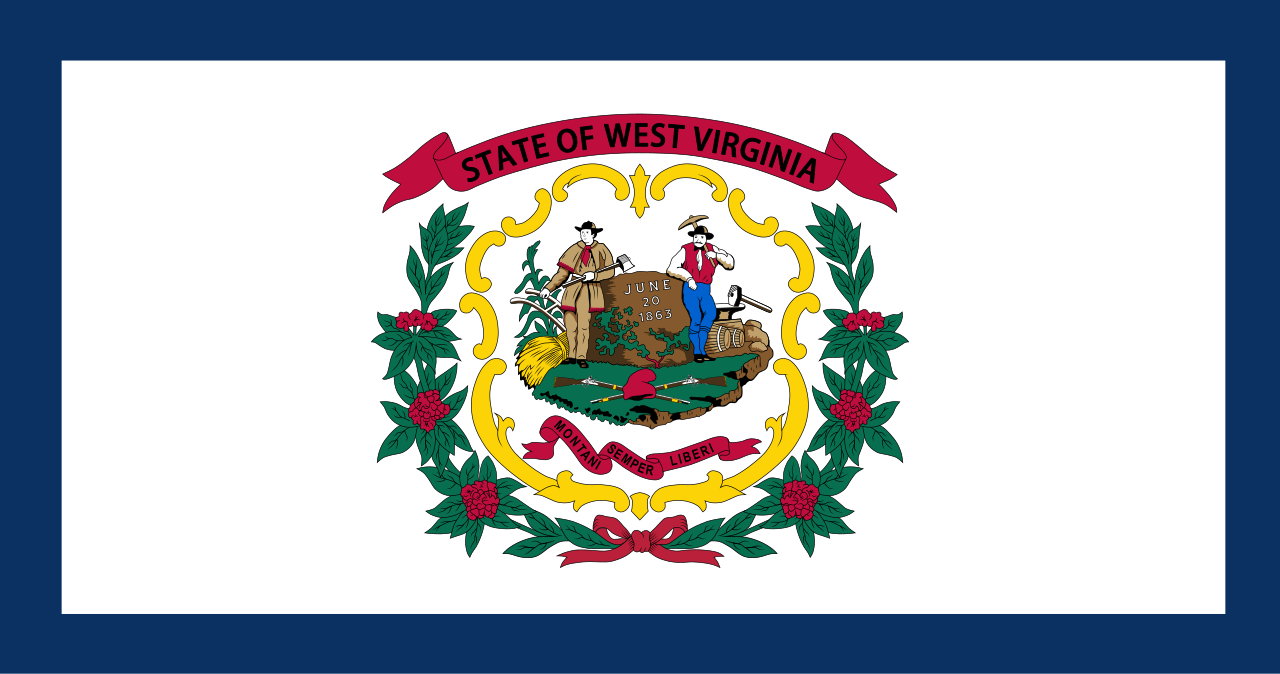
Born from the secession of Virginia during the American Civil War in 1863, West Virginia's history is a narrative of division, industry, and enduring spirit. Its early economy was heavily reliant on coal and timber, industries that brought both prosperity and profound social and environmental challenges. This legacy is still palpable, influencing contemporary debates about economic diversification and environmental policy. The state's population, while relatively small (ranking 12th least populous), is a testament to generations who have carved out lives amidst the peaks and valleys. Exploring historical sites like the Grafton National Cemetery offers a tangible connection to this storied past.
💰 Economic Landscape: Boom, Bust, and Beyond
The economic narrative of West Virginia is inextricably linked to its natural resources, particularly coal and timber. While these industries have historically driven the state's economy, they have also led to significant boom-and-bust cycles and environmental concerns. Current efforts focus on diversifying the economy through tourism, technology, and advanced manufacturing. The New River Gorge's designation as a national park has significantly boosted tourism, bringing new economic opportunities. Understanding this economic transition is crucial for grasping the state's present and future trajectory, with ongoing debates about sustainable development and job opportunities.
🎭 Cultural Highlights & Must-See Experiences
West Virginia's cultural landscape is rich and diverse, deeply rooted in Appalachian traditions. Music, particularly bluegrass music and folk music, plays a vital role, with festivals like the West Virginia Folk Festival celebrating this heritage. The state is also a hub for artisanal crafts, from intricate quilting to woodworking. Don't miss the Mothman Museum in Point Pleasant for a dose of local folklore and cryptid culture, or the historic Trans-Allegheny Lunatic Asylum for a glimpse into a darker, yet fascinating, chapter of history. These experiences offer a unique window into the state's soul.
🏞️ Natural Wonders & Outdoor Pursuits
The Mountain State lives up to its name with an abundance of natural beauty and outdoor recreational opportunities. The New River Gorge is a premier destination for whitewater rafting, hiking, and rock climbing, boasting one of the longest bridges in the Western Hemisphere. Blackwater Falls State Park is renowned for its stunning amber-colored waterfalls, while Harpers Ferry National Historical Park offers a blend of history and scenic beauty at the confluence of the Potomac and Shenandoah rivers. For winter enthusiasts, Snowshoe Mountain provides excellent skiing and snowboarding. The sheer scale of wilderness here is staggering, offering a true adventure.
🗣️ Dialects, Traditions, and Local Flavor
The linguistic landscape of West Virginia is as varied as its terrain, featuring distinct Appalachian dialects with unique pronunciations and vocabulary, often influenced by Scots-Irish and English settlers. Traditions run deep, from quilting bees and square dances to elaborate holiday celebrations. The state's cuisine is hearty and comforting, featuring staples like buckwheat cakes, sausage gravy, and pepperoni rolls (a local delicacy). Engaging with these traditions, whether through attending a local festival or sharing a meal, provides an authentic taste of West Virginia's enduring cultural heritage.
💡 Key Takeaways for the Curious Explorer
West Virginia offers a compelling blend of rugged natural beauty, rich history, and distinct cultural traditions. It's a destination for those seeking outdoor adventure, a connection to authentic Americana, and an escape from the hyper-connected modern world. While its economic challenges are real, the state's resilience and the warmth of its people are undeniable. For the intrepid traveler, the rewards are immense, offering experiences that are both profound and deeply memorable. Consider this your starting point for exploring the heart of Appalachia.
Key Facts
- Year
- 1863
- Origin
- United States
- Category
- Geography & Culture
- Type
- State
Frequently Asked Questions
What is the best time of year to visit West Virginia?
The best time to visit depends on your interests. Spring (April-May) offers blooming wildflowers and pleasant hiking temperatures. Summer (June-August) is ideal for whitewater rafting and outdoor festivals. Fall (September-October) is spectacular for fall foliage with vibrant colors and crisp air. Winter (December-March) is best for skiing and snowboarding at resorts like Snowshoe Mountain.
Is West Virginia safe for tourists?
Like any destination, it's wise to exercise standard travel precautions. Major tourist areas and national parks are generally safe. Be aware of your surroundings, especially in urban centers like Charleston. Road conditions in mountainous areas can be challenging, particularly in adverse weather, so drive cautiously. The state's tourism infrastructure is well-developed in popular areas.
What are the must-try foods in West Virginia?
You absolutely must try buckwheat cakes with sausage gravy, a true Appalachian breakfast staple. Pepperoni rolls, a portable and delicious snack born from the coal mining era, are a unique local treat. Also, look for wild game dishes and locally sourced produce when in season. Don't forget to sample some maple syrup if you're visiting during the sugaring season.
What are the main economic drivers in West Virginia today?
While coal mining remains a part of the state's identity, West Virginia is actively diversifying its economy. Key drivers now include tourism, particularly centered around outdoor recreation like whitewater rafting and hiking in places like the New River Gorge. Advanced manufacturing, healthcare, and technology sectors are also growing, alongside efforts in sustainable energy development.
How is West Virginia different from Virginia?
West Virginia separated from Virginia during the Civil War due to differing allegiances and economic interests. Geographically, West Virginia is almost entirely mountainous, earning it the nickname 'The Mountain State,' while Virginia has a more varied topography including coastal plains and the Blue Ridge Mountains. Culturally, West Virginia retains a strong Appalachian identity, distinct from the more Southern and Tidewater influences found in much of Virginia.