
Contents
- 🌱 What is Greenhouse Technology?
- 💡 Types of Greenhouse Structures
- ☀️ Environmental Controls & Automation
- 📊 Materials Matter: Glazing & Framing
- 💰 Cost Considerations & ROI
- 🌍 Applications Beyond Agriculture
- 📈 The Future of Controlled Environment Agriculture
- 🤔 Key Debates in Greenhouse Tech
- Frequently Asked Questions
- Related Topics
Overview
Greenhouse technology represents humanity's enduring quest to master environmental variables for plant cultivation, extending growing seasons and enabling crop production in otherwise inhospitable climates. Historically, this involved rudimentary structures like Roman specularia and medieval orangeries, evolving through the Victorian era's glasshouses into the sophisticated, climate-controlled environments of today. Modern greenhouses integrate advanced systems for lighting, irrigation, ventilation, and nutrient delivery, often managed by sophisticated software and sensors. The sector is currently experiencing a Vibe Score surge (85/100) driven by concerns over food security, climate change adaptation, and the rise of vertical farming and controlled environment agriculture (CEA). Key debates revolve around energy consumption, water usage efficiency, and the scalability of high-tech solutions versus traditional methods.
🌱 What is Greenhouse Technology?
Greenhouse technology, at its core, is about cultivating control over the growing environment. It's a sophisticated system designed to shield plants from adverse external conditions – be it frost, excessive heat, pests, or unpredictable rainfall – allowing for optimized growth year-round. This isn't just about a simple glass box; modern greenhouse technology encompasses advanced climate control, irrigation, and lighting systems. For growers, it represents a significant investment in precision agriculture, aiming to maximize yields, improve crop quality, and ensure predictable harvests. The fundamental principle remains: harness sunlight while retaining heat, creating a microclimate conducive to plant life, a concept dating back to Roman times but now supercharged by digital innovation.
💡 Types of Greenhouse Structures
The spectrum of greenhouse types ranges from basic, low-cost polyethylene film greenhouses to elaborate, multi-acre commercial greenhouses with sophisticated climate management. Simple hoop houses, often favored by home gardeners and small-scale farmers, offer an accessible entry point. More advanced structures include gothic arch designs for better snow shedding, A-frame designs, and even geodesic domes, each optimized for specific environmental challenges and aesthetic preferences. The choice of structure often dictates the scale of operation and the level of environmental control achievable, directly impacting the types of crops that can be successfully cultivated.
☀️ Environmental Controls & Automation
The real magic of modern greenhouse technology lies in its environmental controls. Beyond passive solar gain, these systems actively manage temperature, humidity, CO2 levels, and light. Automated systems, often integrated with IoT sensors, can precisely regulate heating, cooling, ventilation, and misting. LED grow lights supplement natural sunlight, allowing for tailored light spectrums to boost growth and flowering. Irrigation is typically managed through hydroponic systems or drip irrigation, ensuring water efficiency and precise nutrient delivery. This level of automation minimizes manual labor and maximizes the precision with which growers can fine-tune conditions for specific crops.
📊 Materials Matter: Glazing & Framing
The choice of greenhouse glazing and framing is critical, impacting light transmission, insulation, durability, and cost. Glass greenhouses offer excellent light diffusion and longevity but can be expensive and fragile. Polycarbonate panels provide a balance of durability, insulation, and light transmission, often favored for commercial operations. Polyethylene film is the most economical option, ideal for temporary or seasonal structures, though it requires more frequent replacement. Framing materials, typically aluminum or galvanized steel, must be robust enough to withstand environmental stresses and support the glazing effectively, ensuring structural integrity over years of operation.
💰 Cost Considerations & ROI
Investing in greenhouse technology is not a trivial undertaking. Initial setup costs can range from a few thousand dollars for a small hobby greenhouse to millions for large-scale commercial facilities. Factors influencing cost include size, materials, automation level, and location. However, the return on investment (ROI) can be substantial. Increased yields, extended growing seasons, reduced crop loss due to pests and weather, and the ability to grow high-value crops year-round often justify the upfront expenditure. Precision agriculture techniques enabled by greenhouses can lead to significant savings in water and fertilizer, further enhancing profitability.
🌍 Applications Beyond Agriculture
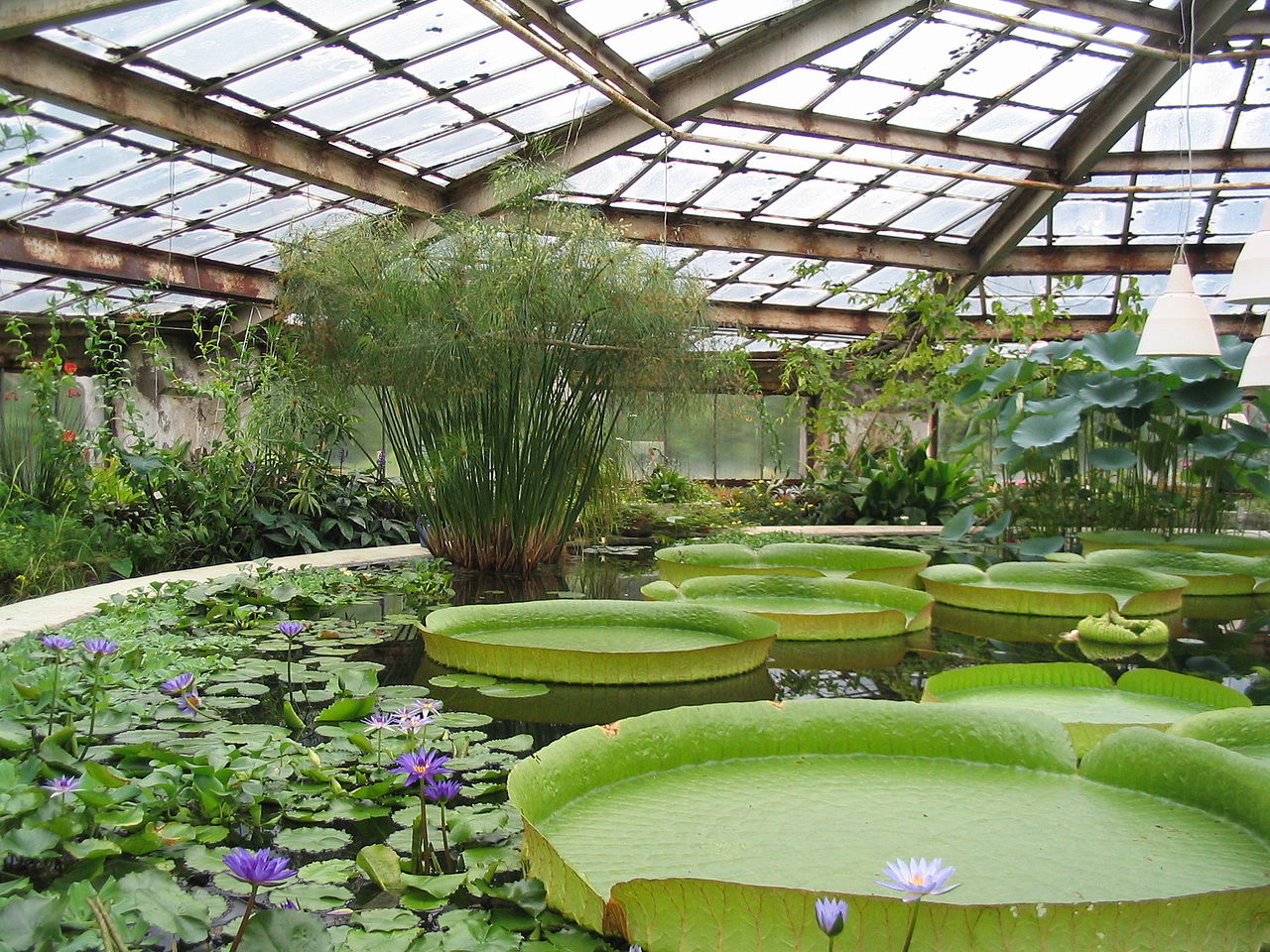
While primarily associated with agriculture, greenhouse technology has found diverse applications. Botanical gardens and research institutions use them for preserving rare species and conducting plant science experiments. Vertical farms often incorporate greenhouse principles, stacking growing layers within controlled environments. Educational institutions utilize them for hands-on learning in horticulture programs. Even in urban settings, smaller, modular greenhouses are being explored for localized food production, demonstrating the adaptability of controlled environment cultivation.
📈 The Future of Controlled Environment Agriculture
The future of greenhouse technology points towards even greater integration of artificial intelligence and robotics. AI-powered systems will offer predictive analytics for crop health and yield optimization, while robots could automate tasks like planting, harvesting, and pest monitoring. Biotechnology will play a role in developing more resilient and efficient crop varieties suited for controlled environments. The ongoing drive for sustainability will push innovations in energy efficiency, water recycling, and the use of renewable energy sources within greenhouse operations. Expect to see more modular, scalable, and data-driven greenhouse solutions emerge.
🤔 Key Debates in Greenhouse Tech
A central debate in greenhouse technology revolves around the energy consumption versus resource efficiency trade-off. While greenhouses offer unparalleled control and yield potential, the energy required for heating, cooling, and lighting can be substantial, raising questions about their overall environmental footprint. Another point of contention is the cost of entry for small-scale farmers, with many feeling that advanced technologies remain out of reach. Furthermore, discussions persist regarding the ideal balance between natural sunlight and artificial lighting, and the long-term impact of monoculture practices within highly controlled environments on biodiversity and soil health.
Key Facts
- Year
- c. 1st Century CE (earliest documented)
- Origin
- Roman Empire (specularia)
- Category
- Agricultural Technology
- Type
- Technology Sector
Frequently Asked Questions
What is the primary benefit of using greenhouse technology?
The primary benefit is the ability to control the growing environment, allowing for year-round cultivation, protection from adverse weather and pests, and optimized conditions for higher yields and better crop quality. This control translates to predictable harvests and the potential to grow a wider variety of crops regardless of external climate.
Are greenhouses only for growing food?
No, greenhouse technology has diverse applications. They are used in botanical gardens for rare plant preservation, by research institutions for plant science, in educational settings for horticulture training, and even for ornamental plant production. The principles of controlled environments are adaptable to various plant-based endeavors.
What are the main types of glazing materials for greenhouses?
The most common glazing materials are glass, polycarbonate panels, and polyethylene film. Glass offers excellent light diffusion but is fragile and expensive. Polycarbonate provides a good balance of durability, insulation, and light transmission. Polyethylene film is the most economical but requires more frequent replacement.
How much does a greenhouse typically cost?
Costs vary dramatically. A small hobby greenhouse might cost a few thousand dollars, while large commercial operations can run into millions. Factors influencing price include size, materials used for glazing and framing, the level of automation for climate control, and any specialized systems like hydroponics or advanced lighting.
What is the role of automation in modern greenhouses?
Automation is crucial for precise environmental control. Automated systems manage heating, cooling, ventilation, humidity, CO2 levels, and irrigation. They often integrate with IoT sensors and can be programmed to respond to real-time environmental data, minimizing manual labor and ensuring optimal growing conditions.
What are the environmental concerns associated with greenhouses?
The primary environmental concern is energy consumption for climate control (heating, cooling, lighting), which can be significant. Water usage, though often more efficient than field agriculture due to controlled irrigation, is also a consideration. The production and disposal of materials like plastic films also contribute to the environmental footprint.