
Contents
- 🎵 Origins & History
- ⚙️ How It Works
- 📊 Key Facts & Numbers
- 👥 Key People & Organizations
- 🌍 Cultural Impact & Influence
- ⚡ Current State & Latest Developments
- 🤔 Controversies & Debates
- 🔮 Future Outlook & Predictions
- 💡 Practical Applications
- 📚 Related Topics & Deeper Reading
- Frequently Asked Questions
- References
- Related Topics
Overview
The shift towards hospital birth is a relatively recent phenomenon in the long history of human parturition. For millennia, childbirth was a home-based event, attended by midwives and female relatives, steeped in tradition and community support. The late 19th and early 20th centuries saw a gradual migration of births into hospitals, driven by advancements in antiseptic techniques pioneered by figures like Joseph Lister, a growing understanding of germ theory, and the desire for professional medical oversight. Early hospitals, however, were often unsanitary and associated with high maternal and infant mortality rates, a stark contrast to the perceived safety of home. The development of anesthesia and obstetrical interventions further cemented the hospital's role, particularly for complicated deliveries, leading to its widespread adoption in Western nations by the mid-20th century. This transition was not without resistance, as many women and midwives valued the familiarity and autonomy of home birth.
⚙️ How It Works
Hospital birth involves a structured process managed by a healthcare team, typically including obstetricians, midwives, and registered nurses. Upon admission, the laboring person undergoes assessment, and their vital signs, along with those of the fetus, are continuously monitored using tools like fetal monitors. Labor progresses through stages, with interventions available for pain management (e.g., epidurals, nitrous oxide) and augmentation if needed (e.g., Pitocin for contractions). Delivery can be vaginal or surgical, with cesarean sections performed when medically indicated. Postpartum care in the hospital focuses on maternal recovery, infant feeding, and initial bonding, with a typical stay lasting 24-48 hours for vaginal births and 3-4 days for cesareans, as recommended by organizations like the American College of Obstetricians and Gynecologists (ACOG).
📊 Key Facts & Numbers
Globally, approximately 132 million births occurred in 2023. In high-income countries, the rate of hospital births often exceeds 95%. For instance, in the United States, over 98% of births took place in hospitals in recent years, according to the Centers for Disease Control and Prevention (CDC). The United Kingdom also sees a high proportion, though with a growing trend in birth centers and home births, approximately 80% of births occurred in hospitals in 2022. Conversely, in many low- and middle-income countries, home births remain prevalent, with rates sometimes exceeding 50%, though this is decreasing as healthcare access improves. The global maternal mortality ratio has seen a significant decline, from 342 deaths per 100,000 live births in 1990 to an estimated 223 deaths per 100,000 live births in 2020, a trend partly attributed to increased access to hospital-based obstetric care.
👥 Key People & Organizations
Key figures in the evolution of hospital birth include Ignaz Semmelweis, whose work on antiseptic procedures dramatically reduced puerperal fever in the mid-19th century, and Frederick Robert Lee, an early advocate for hospital-based obstetrics. Major organizations shaping current practices include the World Health Organization (WHO), which publishes guidelines on essential obstetric care, and national bodies like the Royal College of Obstetricians and Gynecologists (RCOG) in the UK and ACOG in the US, which set standards for training and practice. Hospital systems themselves, such as the National Health Service (NHS) in the UK and large healthcare networks like Kaiser Permanente in the US, are the primary institutions where these births occur, employing thousands of obstetricians, midwives, and nurses.
🌍 Cultural Impact & Influence
Hospital birth has profoundly reshaped societal perceptions of childbirth, transforming it from a domestic, communal event into a medical procedure often managed by professionals in an institutional setting. This shift has led to increased survival rates for both mothers and infants in many parts of the world, particularly for those with high-risk pregnancies. However, it has also contributed to a medicalization of birth, where interventions that were once reserved for emergencies are now more routine. The visual culture of birth has also been influenced, with hospital settings featuring prominently in media portrayals, often emphasizing the clinical and technological aspects. The experience of hospital birth can foster a sense of security for some, while for others, it can feel impersonal or disempowering, leading to a growing interest in alternative birth options and patient advocacy within the hospital system.
⚡ Current State & Latest Developments
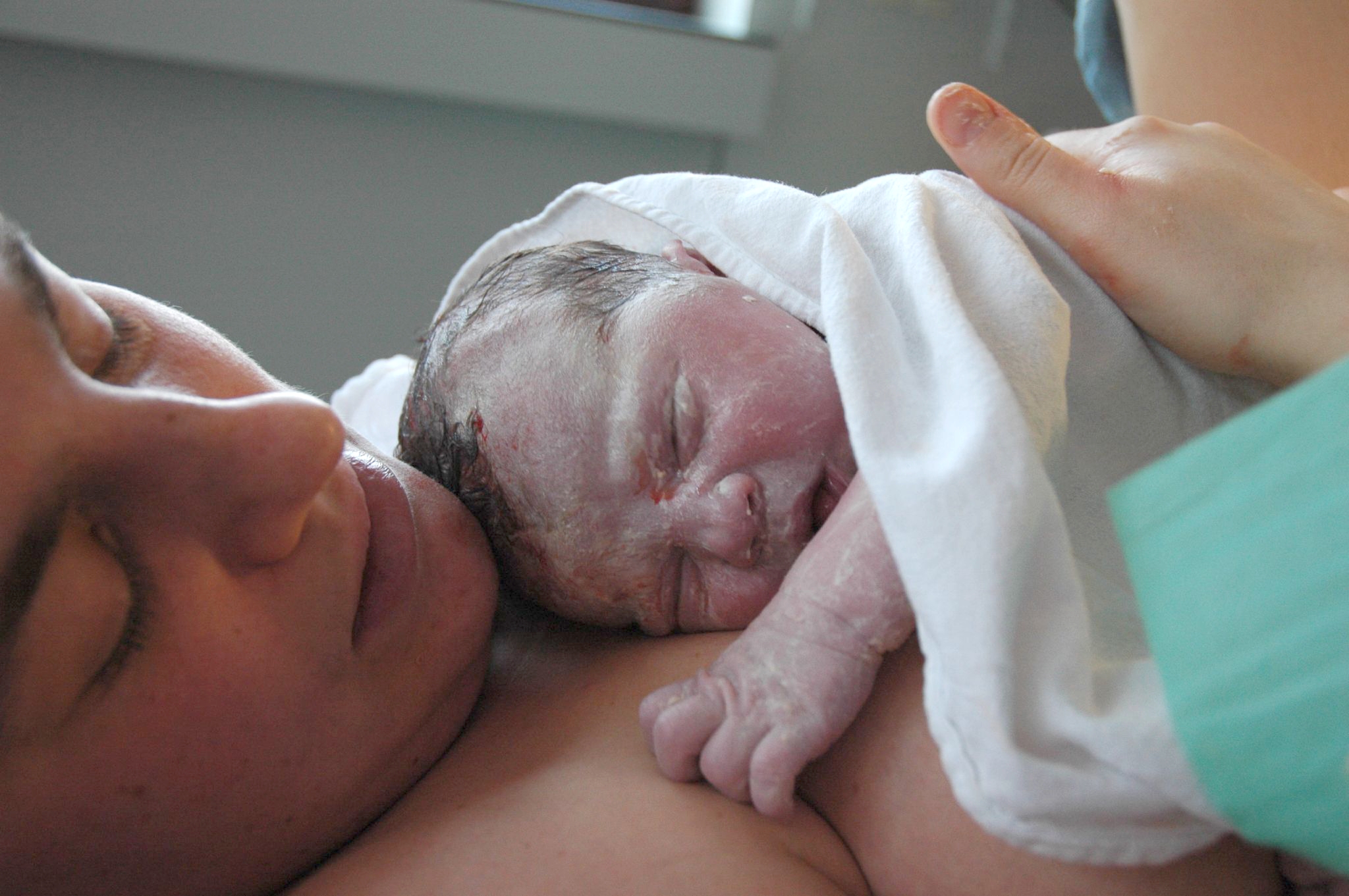
Current trends in hospital birth are marked by a push for more woman-centered care within institutional settings. This includes efforts to reduce unnecessary interventions, promote skin-to-skin contact immediately after birth, support breastfeeding initiation, and offer more flexibility in birth positions and pain management choices. The rise of doulas as support persons in hospitals is also a significant development, providing non-medical emotional and physical support. Telehealth is beginning to play a role in prenatal care leading up to hospital birth, and there's ongoing research into optimizing the hospital environment to be more conducive to a positive birth experience, such as through family birth centers within hospitals. The impact of the COVID-19 pandemic also led to temporary changes in hospital policies regarding support persons, highlighting the complex interplay between public health measures and birth experiences.
🤔 Controversies & Debates
The primary controversy surrounding hospital birth centers on the rate of medical interventions. Critics argue that practices like routine induction of labor, continuous electronic fetal monitoring, and high rates of cesarean sections (which can exceed 30% in some countries, far above the WHO's recommended 10-15%) are often performed without absolute medical necessity, leading to increased risks and costs. Proponents counter that these interventions are crucial for ensuring maternal and infant safety, especially in a setting designed to manage complications. Another debate revolves around the hospital environment itself: is it inherently conducive to the physiological process of birth, or does its sterile, clinical nature trigger stress responses that can hinder labor? The differing philosophies between obstetricians and midwives also fuel ongoing discussions about the optimal model of care.
🔮 Future Outlook & Predictions
The future of hospital birth is likely to involve a greater integration of technology and a continued emphasis on personalized care. Artificial intelligence may play a role in predictive diagnostics for complications, while wearable technology could offer more continuous, less intrusive fetal monitoring. There's a growing movement towards creating more 'birth-friendly' hospital environments, incorporating elements of home birth comfort into the hospital setting, such as allowing more freedom of movement and offering a wider range of non-pharmacological pain relief. The debate between hospital, birth center, and home birth will likely persist, with hospitals increasingly needing to demonstrate their value proposition in terms of safety and patient satisfaction. Expect a continued rise in midwife-led units within hospitals and a stronger focus on shared decision-making between patients and providers.
💡 Practical Applications
Hospital birth is the default setting for childbirth for a significant portion of the global population. Its practical applications are vast, encompassing routine prenatal care, labor management, delivery, and immediate postpartum care. Hospitals are equipped to handle a wide spectrum of scenarios, from uncomplicated vaginal births to complex surgical interventions and neonatal emergencies. They provide access to diagnostic tools like ultrasound and MRI, as well as specialized care units such as Neonatal Intensive Care Units (NICUs) and maternal-fetal medicine departments for high-risk pregnancies. For individuals seeking pain relief options like epidurals or requiring interventions such as forceps or vacuum extraction, the hospital is the primary venue.
Key Facts
- Year
- Late 19th - Mid 20th Century (Dominant shift)
- Origin
- Global (dominant model in developed nations)
- Category
- culture
- Type
- phenomenon
Frequently Asked Questions
What is the main advantage of giving birth in a hospital?
The primary advantage of hospital birth is immediate access to advanced medical technology and a team of trained professionals, including obstetricians, midwives, and nurses. This ensures rapid response to potential complications such as postpartum hemorrhages, fetal distress, or the need for an emergency cesarean section. Hospitals also offer a range of pain management options, like epidurals, and specialized care for newborns in NICUs. This comprehensive support system is particularly beneficial for high-risk pregnancies.
What are the main criticisms of hospital birth?
Critics often point to the high rate of medical interventions in hospital births, arguing that procedures like routine induction of labor, continuous electronic fetal monitoring, and cesarean sections are sometimes performed without absolute medical necessity. This medicalization can lead to increased risks, longer recovery times, and a less empowering experience for the birthing person. Concerns are also raised about the sterile, clinical environment potentially inducing stress, which can interfere with the natural physiological process of labor, contrasting with the more supportive atmosphere often found in home births or birth centers.
How has hospital birth changed over time?
Hospital birth has evolved significantly from its early, often unsanitary, days. Initially driven by the desire for medical oversight and the introduction of antiseptic practices by figures like Ignaz Semmelweis, it became the dominant model in the mid-20th century with advancements in anesthesia and surgical techniques. More recently, there's a movement towards making hospital births more woman-centered, focusing on reducing unnecessary interventions, promoting skin-to-skin contact, and supporting breastfeeding. The integration of doulas and the development of family birth centers within hospitals also reflect this evolution.
What is the difference between hospital birth and birth center birth?
Hospital birth occurs in a medical facility designed for acute care, offering immediate access to surgical interventions and a wide range of medical specialists. It is generally recommended for high-risk pregnancies or individuals with pre-existing medical conditions. Birth center birth, on the other hand, takes place in a non-hospital setting that aims to provide a more home-like, less medicalized environment for low-risk pregnancies. While birth centers offer amenities like water birth and greater birthing freedom, they typically have transfer agreements with nearby hospitals for any necessary emergency medical care, unlike the direct access provided by a hospital.
What role do midwives play in hospital births?
Midwives, particularly Certified Nurse-Midwives (CNMs) in the US and registered midwives in other countries, often play a central role in hospital births, especially for low-risk pregnancies. They provide comprehensive prenatal care, manage labor and delivery, and offer postpartum support. While obstetricians are typically involved in managing high-risk cases or performing surgeries like cesarean sections, midwives focus on supporting the physiological process of birth, offering non-pharmacological pain relief, and empowering birthing individuals. Their philosophy often emphasizes continuous support and minimizing unnecessary interventions within the hospital setting.
How can I prepare for a hospital birth?
Preparing for a hospital birth involves several key steps. First, choose a hospital that aligns with your birth preferences and research their policies on pain management, support persons, and interventions. Attend childbirth education classes to understand the stages of labor and available options. Create a birth plan to communicate your desires to the healthcare team, though remain flexible as medical needs can change. Pack a hospital bag with essentials for yourself, your baby, and your support person. Discuss your preferences with your obstetrician or midwife throughout your pregnancy to ensure you are well-informed and prepared for the hospital environment.
What are the future trends for hospital birth?
Future trends in hospital birth are likely to focus on enhancing the patient experience while maintaining safety. Expect increased integration of technology, such as AI for predictive diagnostics and wearable devices for monitoring. Hospitals will likely continue to develop more family birth centers and midwife-led units within their facilities to offer more personalized, less medicalized options. There will also be a greater emphasis on shared decision-making between patients and providers, alongside continued efforts to reduce unnecessary cesarean section rates and promote evidence-based practices in maternity care.