
Contents
- 🌎 Introduction to Iron Ore
- 💎 Types of Iron Ore
- 📊 Iron Ore Extraction and Refining
- 🌍 Major Iron Ore Producing Countries
- 📈 Market Trends and Prices
- 🚨 Environmental and Social Concerns
- 🤝 Key Players in the Iron Ore Industry
- 📊 Comparison with Other Commodities
- 📝 Practical Tips for Investors and Buyers
- 📞 Getting Started with Iron Ore
- 📊 Conclusion and Future Outlook
- Frequently Asked Questions
- Related Topics
Overview
Iron ore is the primary source of iron for the global steel industry, with over 2.5 billion metric tons traded annually. The iron ore market is dominated by Australia, Brazil, and South Africa, with China being the largest consumer. However, the industry is not without its challenges, including environmental concerns, fluctuating prices, and geopolitical tensions. The vibe surrounding iron ore is neutral, with a Vibe score of 5, reflecting its essential yet often overlooked role in the global economy. As the world transitions to more sustainable energy sources, the demand for iron ore is expected to remain strong, with the International Energy Agency predicting a 30% increase in steel production by 2050. With major players like Rio Tinto, Vale, and BHP Group, the iron ore market is poised for continued growth and innovation, with a controversy spectrum rating of 6, reflecting ongoing debates around mining practices and environmental impact.
🌎 Introduction to Iron Ore
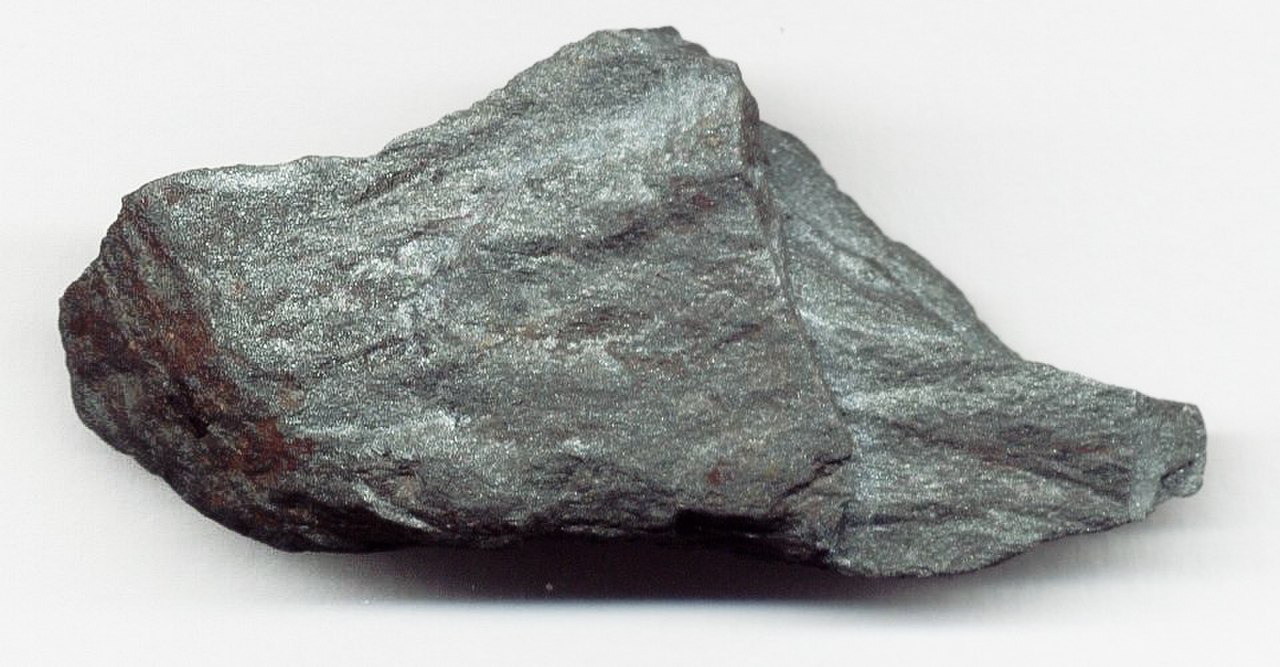
Iron ore is the backbone of global industry, with over 2.5 billion metric tons produced annually. As a crucial component in the production of steel, iron ore is in high demand, with major industries such as construction, automotive, and energy relying on it. To learn more about the steel industry, visit our page on Steel Industry. Iron ore is also a key factor in the global economy, with countries like Australia, Brazil, and China dominating the market. For more information on the global economy, check out our article on Global Economy. The iron ore industry is a complex and multifaceted sector, with various types of iron ore being extracted and refined. The most common types of iron ore are hematite, magnetite, and goethite, which are rich in iron oxides and vary in color from dark grey to rusty red. To understand the geological aspects of iron ore, visit our page on Geology.
💎 Types of Iron Ore
There are several types of iron ore, each with its own unique characteristics and uses. Hematite, for example, is a type of iron ore that is commonly used in the production of steel, while magnetite is often used in the production of pig iron. Goethite, on the other hand, is a type of iron ore that is often used in the production of iron oxide pigments. To learn more about the different types of iron ore, visit our page on Iron Ore Types. The extraction and refining of iron ore is a complex process, involving several stages, including mining, crushing, and smelting. The iron ore is first extracted from the earth through a process known as open-pit mining, and then crushed and separated into its various components. For more information on the mining process, check out our article on Mining Industry.
📊 Iron Ore Extraction and Refining
The extraction and refining of iron ore is a crucial step in the production of steel. The iron ore is first extracted from the earth through a process known as open-pit mining, and then crushed and separated into its various components. The iron ore is then smelted in a blast furnace, where it is heated to high temperatures and combined with other materials, such as coal and limestone, to produce pig iron. To understand the steel production process, visit our page on Steel Production. The pig iron is then further refined and purified to produce steel, which is used in a wide range of applications, from construction and automotive to energy and consumer goods. For more information on the uses of steel, check out our article on Steel Uses.
🌍 Major Iron Ore Producing Countries
Australia, Brazil, and China are among the top iron ore producing countries, with Australia being the largest producer. The country's iron ore industry is dominated by several major players, including Rio Tinto and BHP Billiton. Brazil is also a significant producer of iron ore, with the country's iron ore industry being dominated by companies such as Vale. China, on the other hand, is the world's largest consumer of iron ore, with the country's steel industry being a major driver of demand. To learn more about the Chinese steel industry, visit our page on Chinese Steel Industry.
📈 Market Trends and Prices
The iron ore market is subject to fluctuations in demand and supply, with prices varying depending on the type and quality of the ore. The market is also influenced by factors such as global economic trends, trade policies, and environmental regulations. To understand the impact of trade policies on the iron ore market, visit our page on Trade Policies. The current market trends indicate a steady increase in demand for iron ore, driven by the growth of the steel industry in countries such as China and India. For more information on the Indian steel industry, check out our article on Indian Steel Industry. However, the market is also facing challenges, such as the increasing cost of production and the impact of environmental regulations. To learn more about the environmental impact of the iron ore industry, visit our page on Environmental Impact.
🤝 Key Players in the Iron Ore Industry
The iron ore industry is dominated by several major players, including Rio Tinto, BHP Billiton, and Vale. These companies are among the largest producers of iron ore in the world and have a significant impact on the global market. To understand the role of these companies in the global market, visit our page on Global Market. Other key players in the industry include Fortescue Metals Group and Anglo American. For more information on these companies, check out our articles on Fortescue Metals Group and Anglo American.
📊 Comparison with Other Commodities
Iron ore is just one of many commodities that are traded on the global market. Other commodities, such as copper, aluminum, and coal, are also important components of the global economy. To learn more about these commodities, visit our pages on Copper, Aluminum, and Coal. The iron ore market is subject to fluctuations in demand and supply, with prices varying depending on the type and quality of the ore. For more information on the copper market, check out our article on Copper Market. The market is also influenced by factors such as global economic trends, trade policies, and environmental regulations. To understand the impact of trade policies on the aluminum market, visit our page on Aluminum Market.
📝 Practical Tips for Investors and Buyers
For investors and buyers, it is essential to understand the complexities of the iron ore market and the factors that influence its trends. To learn more about the iron ore market, visit our page on Iron Ore Market. It is also crucial to research the different types of iron ore and their uses, as well as the major players in the industry. For more information on the different types of iron ore, check out our article on Iron Ore Types. Additionally, it is essential to consider the environmental and social impact of the industry and the sustainability practices of the companies involved. To understand the sustainability practices of the companies involved, visit our page on Sustainability Practices.
📞 Getting Started with Iron Ore
To get started with iron ore, it is essential to understand the basics of the industry and the market trends. To learn more about the basics of the industry, visit our page on Iron Ore Industry. It is also crucial to research the different types of iron ore and their uses, as well as the major players in the industry. For more information on the major players in the industry, check out our article on Major Players. Additionally, it is essential to consider the environmental and social impact of the industry and the sustainability practices of the companies involved. To understand the environmental and social impact of the industry, visit our page on Environmental and Social Impact.
📊 Conclusion and Future Outlook
In conclusion, iron ore is a crucial component of the global economy, with a wide range of applications in industries such as construction, automotive, and energy. To learn more about the applications of iron ore, visit our page on Iron Ore Applications. The market is subject to fluctuations in demand and supply, with prices varying depending on the type and quality of the ore. For more information on the market trends, check out our article on Market Trends. As the industry continues to evolve, it is essential to consider the environmental and social impact of the industry and the sustainability practices of the companies involved. To understand the future outlook of the industry, visit our page on Future Outlook.
Key Facts
- Year
- 2022
- Origin
- Australia, Brazil, South Africa
- Category
- Commodities
- Type
- Commodity
Frequently Asked Questions
What is iron ore?
Iron ore is a type of rock or mineral from which metallic iron can be economically extracted. The ores are usually rich in iron oxides and vary in color from dark grey, bright yellow, or deep purple to rusty red. To learn more about iron ore, visit our page on Iron Ore.
What are the different types of iron ore?
There are several types of iron ore, including hematite, magnetite, and goethite. Each type of iron ore has its own unique characteristics and uses. To learn more about the different types of iron ore, visit our page on Iron Ore Types.
How is iron ore extracted and refined?
The extraction and refining of iron ore is a complex process, involving several stages, including mining, crushing, and smelting. The iron ore is first extracted from the earth through a process known as open-pit mining, and then crushed and separated into its various components. For more information on the extraction and refining process, check out our article on Extraction and Refining.
What are the major iron ore producing countries?
The major iron ore producing countries are Australia, Brazil, and China. These countries are among the largest producers of iron ore in the world and have a significant impact on the global market. To learn more about the major iron ore producing countries, visit our page on Major Iron Ore Producing Countries.
What is the current market trend for iron ore?
The current market trend for iron ore is subject to fluctuations in demand and supply, with prices varying depending on the type and quality of the ore. The market is also influenced by factors such as global economic trends, trade policies, and environmental regulations. To understand the current market trend, visit our page on Current Market Trend.
What are the environmental and social concerns associated with the iron ore industry?
The iron ore industry is facing increasing scrutiny over its environmental and social impact. The extraction and refining of iron ore can have significant environmental consequences, including deforestation, water pollution, and greenhouse gas emissions. To learn more about the environmental and social concerns, visit our page on Environmental and Social Concerns.
What are the sustainability practices of the companies involved in the iron ore industry?
Companies such as Rio Tinto and BHP Billiton are working to address the environmental and social concerns associated with the iron ore industry. These companies are implementing sustainability practices, such as reducing their carbon footprint and improving their environmental management systems. To learn more about the sustainability practices of these companies, visit our page on Sustainability Practices.