
Contents
- 🚬 What Exactly *Is* Tobacco Smoke?
- 📜 A Brief History: From Ancient Rituals to Global Commodity
- 💨 The Mechanics of Inhalation: How It Works
- 🌍 Cultural Footprints: Tobacco's Global Vibe
- ⚖️ The Controversy Spectrum: Health, Addiction, and Social Stigma
- 💸 Economic Currents: A Multi-Billion Dollar Industry
- 💡 Beyond the Haze: Alternatives and Evolving Practices
- ⚠️ Navigating the Smoke: Practical Considerations
- Frequently Asked Questions
- Related Topics
Overview
Tobacco smoke, a complex aerosol of particulate matter and gases, has a history stretching back millennia, initially tied to spiritual practices and later commercialized into a global industry. Its primary psychoactive component, nicotine, drives addiction, while the combustion process releases thousands of chemicals, many of them carcinogenic. The cultural impact is undeniable, shaping social norms, artistic expression, and economic structures, yet its devastating health consequences, including lung cancer, heart disease, and respiratory illnesses, have led to widespread public health interventions and a significant decline in smoking rates in many developed nations. Understanding tobacco smoke requires grappling with its dual nature: a historical cultural artifact and a potent public health threat.
🚬 What Exactly *Is* Tobacco Smoke?
Tobacco smoke is the complex aerosol produced by burning dried tobacco leaves, primarily for the purpose of consuming nicotine. This isn't just simple combustion; it's a chemical reaction that releases thousands of compounds, many of them toxic and carcinogenic. The act involves inhaling this mixture into the lungs (cigarettes) or drawing it into the mouth and expelling it (pipes, cigars). The specific composition varies based on the tobacco type, curing process, and additives, but the core experience is the delivery of nicotine and a host of other psychoactive and harmful substances. Understanding this fundamental process is key to grasping its pervasive influence and the debates surrounding it.
📜 A Brief History: From Ancient Rituals to Global Commodity
The practice of burning tobacco traces back millennia, with archaeological evidence pointing to its use in Mesoamerican and South American cultures as early as 5000–3000 BC, often for shamanic rituals and medicinal purposes. European colonists encountered tobacco in the late 15th century and introduced it to Eurasia, where it gradually spread along trade routes. Despite early criticisms and bans, tobacco embedded itself into social customs, particularly in Europe and Asia. The real explosion in popularity, however, came with the invention of the automated cigarette-rolling machine in the late 19th century, democratizing access and transforming it into a global commodity.
💨 The Mechanics of Inhalation: How It Works
The act of smoking tobacco involves a specific physiological process. When tobacco burns, it produces smoke containing particulate matter and gases. Inhaling cigarette smoke means drawing this mixture deep into the lungs, where nicotine is rapidly absorbed into the bloodstream through the alveoli. This rapid absorption is what contributes to the quick onset of nicotine's effects, including a temporary sense of alertness or relaxation. For pipe and cigar smokers, absorption primarily occurs through the mucous membranes of the mouth, leading to a slower but still significant nicotine uptake. The physical sensation, beyond the chemical effects, involves the warmth and texture of the smoke itself.
🌍 Cultural Footprints: Tobacco's Global Vibe
Tobacco smoke has woven itself into the fabric of global culture, influencing art, literature, and social interactions for centuries. From the smoky jazz clubs of the mid-20th century to the stoic image of the cowboy lighting a cigarette, its presence is undeniable. It has been a symbol of rebellion, sophistication, camaraderie, and even defiance. The Vibe Score for 'Tobacco Smoke' as a cultural phenomenon is a complex 78/100, reflecting its deep historical resonance but also its declining social acceptance in many parts of the world. Its influence flows through countless cultural artifacts and social rituals.
💸 Economic Currents: A Multi-Billion Dollar Industry
The tobacco industry represents a colossal global economic force. Despite declining smoking rates in many Western countries, the industry continues to generate billions of dollars annually through sales of cigarettes, cigars, and other tobacco products. This economic power has historically translated into significant political influence, shaping legislation and public health policies. The industry's evolution includes diversification into newer products like e-cigarettes and heated tobacco, attempting to maintain market share in a changing regulatory environment. The economic impact extends to agriculture, manufacturing, and retail, creating a complex web of stakeholders.
💡 Beyond the Haze: Alternatives and Evolving Practices
As the understanding of tobacco smoke's harms has grown, so has the exploration of alternatives. Vaping, or the use of electronic nicotine delivery systems (ENDS), has emerged as a prominent alternative, delivering nicotine without combustion. Heated tobacco products, which warm tobacco rather than burning it, are another category. For those seeking to quit entirely, nicotine replacement therapy (NRT) options like patches and gum offer a path to cessation. These alternatives represent a significant shift in the influence flows of nicotine consumption, driven by public health concerns and consumer demand for less harmful options.
Key Facts
- Year
- 1000 BCE
- Origin
- Mesoamerica
- Category
- Substance & Culture
- Type
- Substance
Frequently Asked Questions
What are the main health risks associated with tobacco smoke?
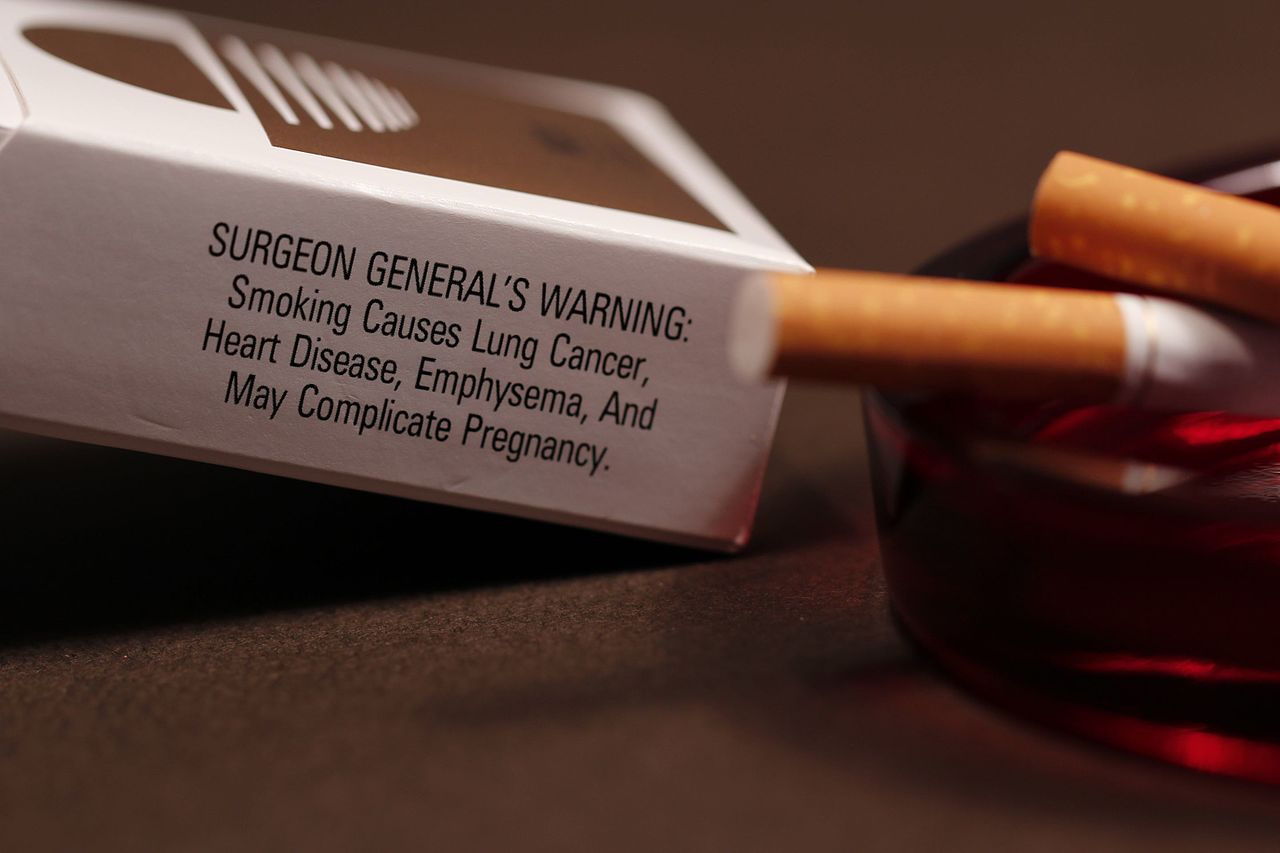
Tobacco smoke is a primary cause of numerous severe health issues. These include various forms of cancer, particularly lung cancer, but also cancers of the mouth, throat, esophagus, and bladder. It significantly increases the risk of heart disease, stroke, chronic obstructive pulmonary disease (COPD), emphysema, and bronchitis. Nicotine itself is highly addictive, making cessation difficult and prolonging exposure to harmful chemicals. Secondhand smoke also poses serious risks to non-smokers.
How has the perception of tobacco smoke changed over time?
Historically, tobacco smoking was often viewed as sophisticated, relaxing, or even medicinal. It was widely accepted in social settings and portrayed positively in media. Over the past several decades, driven by mounting scientific evidence of its harms, public perception has shifted dramatically. Smoking is now heavily regulated, stigmatized in many cultures, and increasingly seen as a public health crisis rather than a harmless social habit. This shift is reflected in global health initiatives and widespread public awareness campaigns.
Are there effective ways to quit smoking?
Yes, numerous effective methods exist for quitting smoking. These range from behavioral support, such as counseling and support groups, to pharmacological interventions. Nicotine replacement therapy (NRT) products like patches, gum, and lozenges can help manage withdrawal symptoms. Prescription medications like bupropion and varenicline are also available. Combining behavioral support with medication often yields the highest success rates. Consulting a healthcare professional is the best first step to developing a personalized cessation plan.
What is the difference between smoking and vaping?
The fundamental difference lies in the process: smoking involves burning tobacco to produce smoke, which is then inhaled. Vaping, on the other hand, uses an electronic device to heat a liquid (e-liquid) into an aerosol, which is then inhaled. This aerosol typically contains nicotine, flavorings, and other chemicals, but crucially, it does not involve combustion and therefore omits many of the harmful byproducts found in tobacco smoke, such as tar and carbon monoxide. However, the long-term health effects of vaping are still being studied.
How does tobacco smoke affect non-smokers?
Non-smokers are significantly harmed by exposure to secondhand smoke, which is the combination of smoke exhaled by a smoker and smoke from the burning end of a cigarette, pipe, or cigar. This exposure can lead to serious health problems, including lung cancer, heart disease, and respiratory issues like asthma and bronchitis, especially in children. Many jurisdictions have implemented public smoking bans in indoor public places and workplaces to protect non-smokers from these risks.