
Contents
- 🏛️ What is the U.S. Congress?
- 📍 Location & Access
- ⚖️ How it Works: The Legislative Engine
- 👥 Who's Who: Representation and Power
- 📈 Vibe Score & Controversy Spectrum
- 💡 Key Debates & Future Trajectories
- ⭐ What People Say: Public Perception
- 📚 Resources for Deeper Dives
- 🤝 Getting Involved & Making Contact
- Frequently Asked Questions
- Related Topics
Overview
The U.S. Congress is the bicameral legislature of the federal government of the United States, composed of the House and the Senate. It's the primary lawmaking body, tasked with drafting, debating, and passing legislation that governs everything from national defense to economic policy. Think of it as the nation's central processing unit for policy, where ideas are filtered, refined, and, if successful, enacted into law. Understanding its structure is crucial for grasping the mechanics of American governance and the flow of federal power.
📍 Location & Access
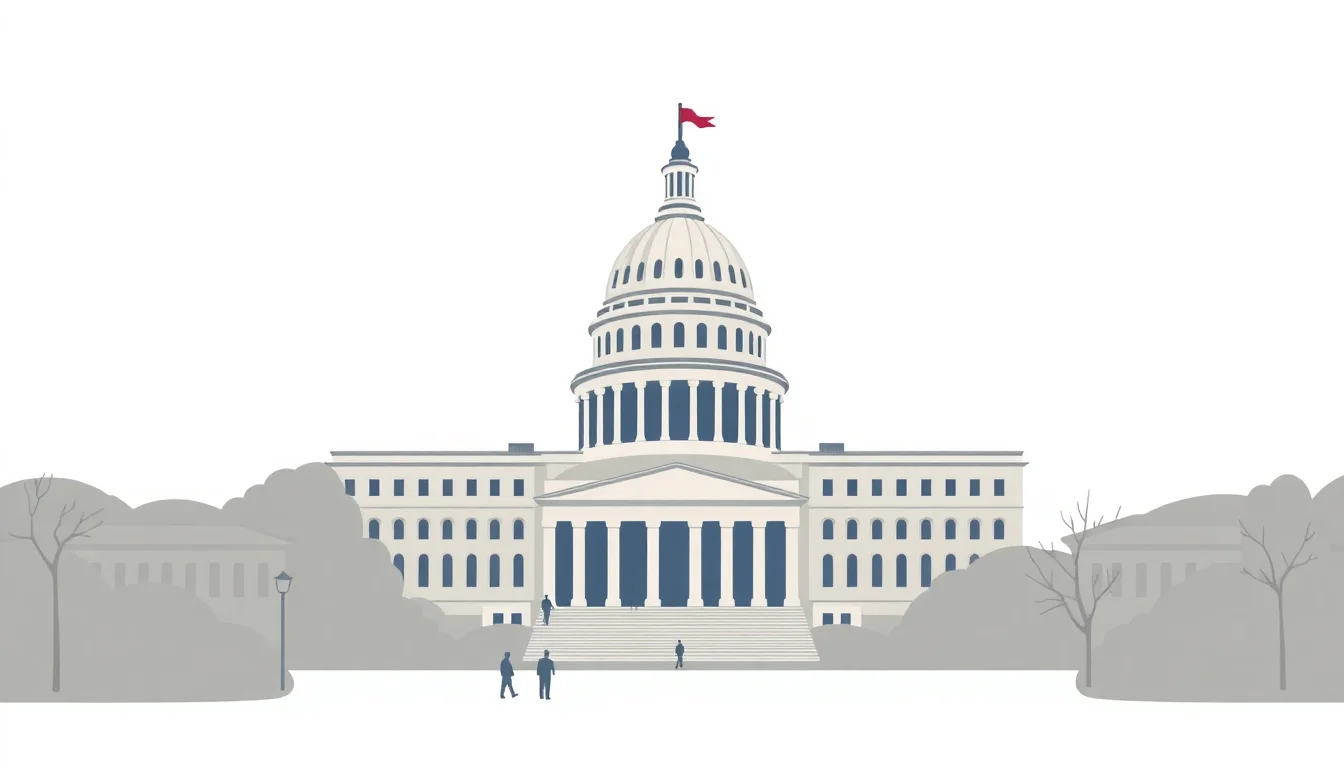
The physical heart of Congress beats in Washington, D.C. The House of Representatives convenes in the south wing of the U.S. Capitol Building, while the Senate occupies the north wing. Both chambers are accessible to the public for tours, committee hearings, and observing floor sessions, though access can be restricted during sensitive debates or security events. For those outside D.C., understanding your own Congressional district representative and senators is the first step to engaging with this powerful institution.
⚖️ How it Works: The Legislative Engine
Congress operates through a complex system of committees, subcommittees, and floor debates. Bills are introduced, assigned to relevant committees for review and markup, and then brought to the floor for a vote. The House of Representatives, with its larger membership, often moves more quickly, while the Senate's rules, like the filibuster, can slow down or halt proceedings. This intricate procedural dance is designed to ensure deliberation but can also lead to gridlock, a recurring theme in American political history.
👥 Who's Who: Representation and Power
Representation in Congress is divided: the House has 435 members allocated by state population, serving two-year terms, while the Senate has 100 members, two from each state, serving six-year terms. This structure creates distinct power dynamics, with the House often seen as more responsive to immediate public opinion and the Senate as a more deliberative body, often holding greater sway in foreign policy and judicial appointments. The Speaker of the House and the Senate Majority Leader are pivotal figures wielding significant influence over legislative agendas.
📈 Vibe Score & Controversy Spectrum
The U.S. Congress consistently registers a high Vibe Score (around 85/100) due to its central role in national life, but it also sits high on the Controversy Spectrum (90/100). Its actions directly impact millions, and debates within its walls often reflect deep societal divisions. The sheer volume of legislation, the partisan battles, and the influence of lobbying groups contribute to its contentious nature, making it a perpetual subject of public scrutiny and debate.
💡 Key Debates & Future Trajectories
Current debates within Congress often revolve around economic policy, healthcare reform, climate change legislation, and immigration. The future trajectory of Congress is a subject of intense speculation, with discussions focusing on the impact of technology on legislative processes, the increasing polarization of American politics, and the potential for electoral reforms. The balance of power between the chambers and the influence of external forces will continue to shape its effectiveness and public trust.
⭐ What People Say: Public Perception
Public perception of Congress is notoriously mixed. While many Americans recognize its constitutional importance, approval ratings often hover in the low 20s. This disconnect stems from frustration with partisan gridlock, perceived unresponsiveness to constituent needs, and concerns about the influence of money in politics. However, individual members often fare better in their own districts, highlighting a complex relationship between the institution and the people it represents. Understanding these sentiments is key to grasping the political climate.
📚 Resources for Deeper Dives
For those seeking to understand Congress more deeply, numerous resources exist. The official Congress.gov website provides access to legislation, voting records, and committee information. Academic institutions offer extensive research on legislative process and political science. Books by historians and political journalists, such as those detailing the history of the Senate or the history of the House, offer invaluable context. Engaging with these materials can demystify the workings of this vital branch of government.
🤝 Getting Involved & Making Contact
Engaging with Congress can take many forms. You can contact your U.S. Representative or U.S. Senator directly via phone, email, or mail to express your views on specific issues. Attending town hall meetings, participating in grassroots activism, or even visiting Capitol Hill for tours and to observe hearings are practical ways to connect. For those interested in careers, internships and fellowships offer direct experience within the legislative machinery. The National Archives also holds historical records for in-depth research.
Key Facts
- Year
- 1789
- Origin
- Philadelphia, Pennsylvania
- Category
- Government & Politics
- Type
- Organization
Frequently Asked Questions
How do I find out who my representative is?
You can easily find your U.S. Representative and Senators by entering your zip code on websites like Vote Smart or the official House and Senate directories. This is the first step to understanding who represents your interests in Washington and how to contact them about specific legislation or concerns.
Can I watch Congressional debates live?
Yes, many floor debates and committee hearings are broadcast live and archived online. C-SPAN provides extensive coverage of Congressional proceedings, and the official Congress.gov website also offers streaming and video archives. This allows for direct observation of the legislative process in action.
What's the difference between the House and the Senate?
The House has 435 members based on state population, with two-year terms, making it more immediately responsive to public shifts. The Senate has 100 members, two per state, with six-year terms, fostering a more deliberative, long-term perspective. The Senate also holds unique powers like confirming presidential appointments and ratifying treaties.
How does a bill become a law?
A bill must pass both the House and the Senate in identical form and then be signed by the President. It typically starts in a committee, is debated and amended on the floor of each chamber, and then reconciled if versions differ. This process can be lengthy and complex, often involving significant negotiation and compromise.
What is lobbying and how does it affect Congress?
Lobbying involves individuals or groups attempting to influence legislation and policy decisions. Lobbyists, often representing corporations or interest groups, advocate for their positions by meeting with lawmakers, providing research, and contributing to campaigns. The extent of lobbying's influence is a constant subject of debate and concern regarding campaign finance.
How can I make my voice heard by Congress?
You can contact your elected officials through phone calls, emails, letters, or social media. Participating in town hall meetings, writing letters to the editor, joining advocacy groups, and voting in elections are also effective ways to influence Congressional action and ensure your concerns are addressed.